

Top UNESCO World Heritage Sites in India for Travelers
27 Sep 2026
India’s UNESCO World Heritage Sites bring together ancient architecture, sacred traditions, remarkable landscapes, and centuries of history. From Mughal monuments to rock-cut temples and national parks, these destinations offer travelers a deeper view of the country’s cultural and natural heritage.
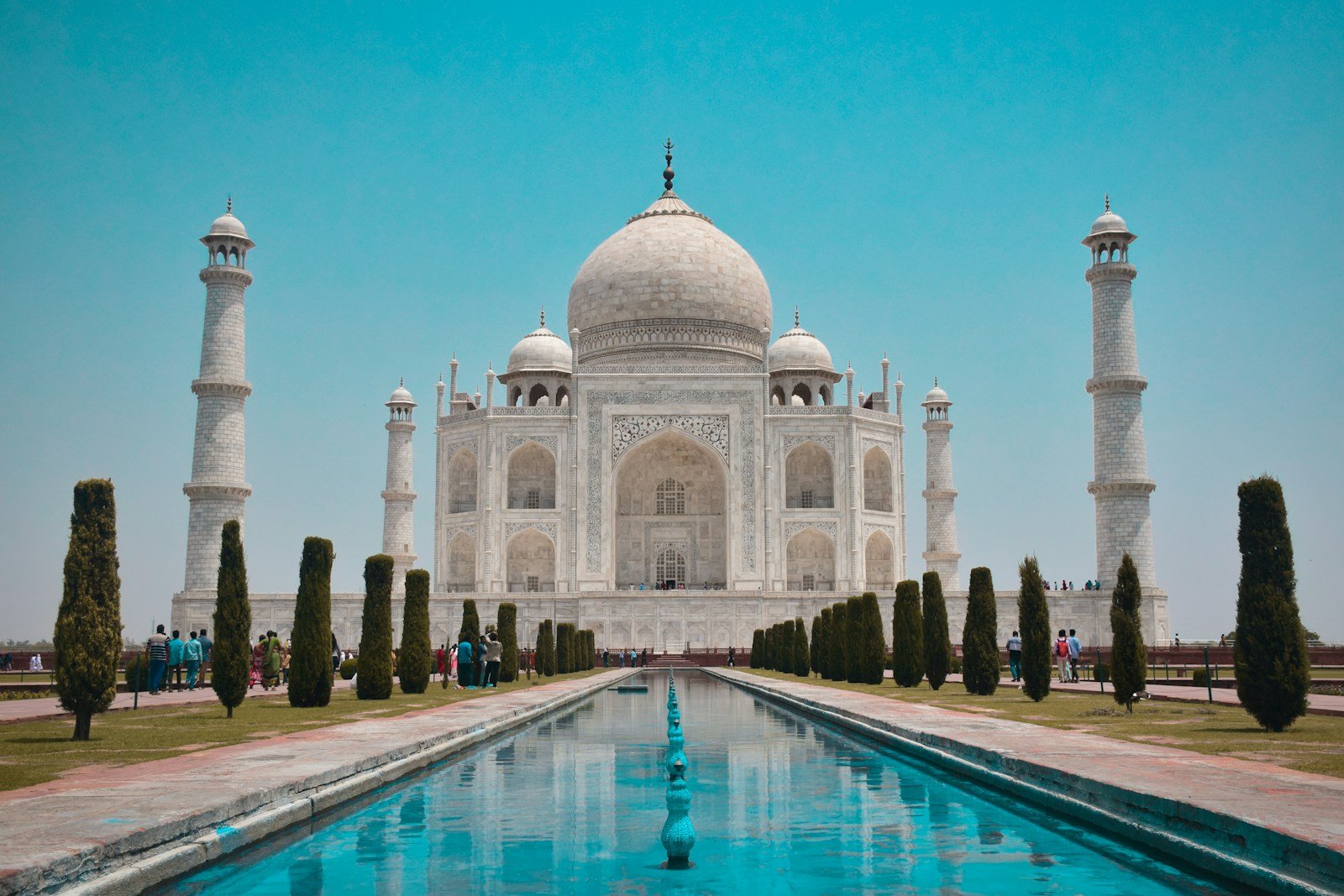
Taj Mahal, Agra
The Taj Mahal is one of the world’s most recognizable monuments and a masterpiece of Mughal architecture. Visit early in the day for softer light, fewer crowds, and a more peaceful experience.
Agra Fort, Agra
Built mainly of red sandstone, Agra Fort reflects the power and artistry of the Mughal Empire. Its courtyards, palaces, mosques, and views toward the Taj Mahal make it an essential stop in Agra.
Qutub Minar and its Monuments, Delhi
The Qutub Minar complex combines a soaring medieval minaret with historic gateways, tombs, and architectural details from different periods. Allow time to explore the surrounding ruins rather than visiting only the tower.
Jaipur City, Rajasthan
The walled city of Jaipur is known for its planned streets, colorful markets, historic gates, and distinctive pink architecture. Pair a city walk with visits to nearby forts and traditional craft neighborhoods.
Churches and Convents of Goa
Old Goa’s churches and convents reveal the region’s layered history and exceptional religious architecture. The Basilica of Bom Jesus and the surrounding heritage area are especially rewarding for history and art lovers.
Group of Monuments at Hampi
Hampi’s boulder-strewn landscape is filled with temples, royal enclosures, market streets, and stone monuments from the Vijayanagara Empire. Rent a bicycle or take several days to explore the extensive site at a relaxed pace.
Khajuraho Group of Monuments
Khajuraho is celebrated for its finely carved temples and sophisticated medieval sculpture. The temples are best appreciated with a guide who can explain their symbolism, history, and architectural design.
Ajanta and Ellora Caves, Maharashtra
Ajanta’s Buddhist paintings and sculptures contrast beautifully with the diverse religious monuments of Ellora. Wear comfortable shoes, carry water, and plan enough time for the caves’ corridors and uneven paths.
Great Himalayan National Park Conservation Area
For nature-focused travelers, this protected landscape offers alpine meadows, forests, mountain scenery, and rich biodiversity. Use authorized guides and follow local conservation rules when planning treks.
Rani-ki-Vav, Patan
Rani-ki-Vav is an extraordinary stepwell decorated with rows of sculptures and detailed architectural elements. Its descending levels show how engineering, water management, and artistic expression came together in historic India.
Sun Temple, Konark
Designed as a monumental chariot dedicated to the sun god, the Konark temple is admired for its stone wheels, sculptural panels, and grand scale. Visit with time to study the carvings and learn about the temple’s design.
Travel tips
- Check opening hours, ticket rules, local holidays, and seasonal conditions before visiting.
- Dress respectfully at religious and sacred sites.
- Wear comfortable footwear and carry water for large archaeological complexes.
- Hire licensed local guides when you want historical context.
- Do not touch carvings, climb restricted structures, or remove anything from a heritage site.
- Support conservation by avoiding litter and respecting photography guidelines.
Final thoughts
India’s UNESCO World Heritage Sites are more than photo opportunities: they are living records of architecture, belief, creativity, and environmental diversity. Choose a few sites that match your interests, travel slowly, and give yourself time to appreciate the stories behind each remarkable place.